← Back to Home
Speech & Voice•6 min read•October 2026
Finding Your Voice Again After a Stroke: A Gentler Path to Vocal Resonance
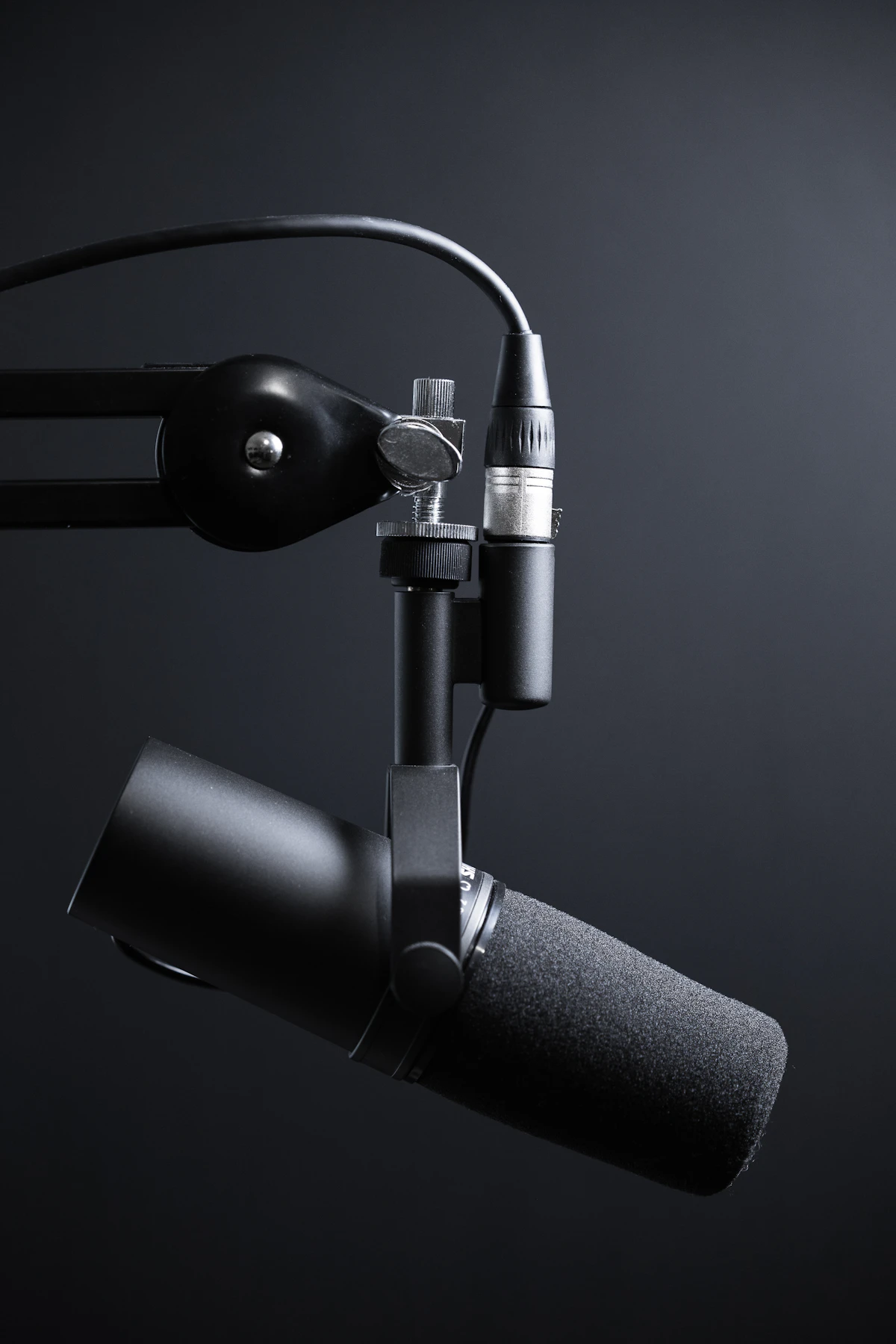
Rebuilding my voice did not begin with trying to sound powerful. It began with listening for small signs of coordination: a vibration around my lips, a smoother exhale, a phrase that did not leave my throat aching. The sounds "ong," "ar," and "hong" gave me a patient way to explore those signs.
If your voice feels weak after a stroke, progress may look like a comfortable word, a conversation with one fewer pause, or the confidence to ask for support. Those changes count. Practice gently, celebrate consistency over intensity, and let qualified professionals guide you when symptoms are persistent or concerning.
The Hidden Effort of Post-Stroke Speech
When breath support and vocal cord coordination fall out of sync, even simple conversations can feel exhausting. Many survivors experience vocal fatigue, breathlessness mid-sentence, or a persistent huskiness. Traditional advice often pushes for loud, repetitive drills that can cause frustration and tension rather than relief. A gentler approach focuses on somatic awareness—noticing where tension lives in your jaw, neck, and chest before you even attempt to make a sound. By releasing these micro-tensions, your natural voice finds an easier path forward without strain. Free Somatic Practice Studio
Looking for gentle, interactive tools for home practice?
Explore our free Somatic Practice Studio (Sound & Motion Gym) and discover how simple rhythmic prompts can support your daily coordination.
Three-Cavity Resonance: A Practical Home Exploration
Resonance is the amplification and enrichment of voice tones by the air-filled cavities in your head and chest. When recovering speech, exploring resonance helps you project without pushing from your throat.- Chest Resonance: Place your hand gently on your breastbone and hum a low, comfortable tone. Feel the vibration. This grounds your breath support.
- Mask/Facial Resonance: Move the sound upward into your teeth and lips. Hum "mmm" while gently feeling a light buzzing sensation around your nose and cheekbones.
- Head Resonance: Soften the back of your throat and explore higher, lighter tones, imagining the sound floating upward.
Patience Over Performance
Recovery is non-linear. Some days your voice will feel clear and cooperative; other days, fatigue will set in earlier. Both experiences are part of the healing journey. Consistency—just five to ten minutes of mindful, relaxed vocal exploration each day—yields far better long-term results than an exhausting hour-long session once a week. Remember to stay hydrated, take pauses between phrases, and always prioritize comfort over volume.A helpful next step
Take Your Daily Recovery Further
Choose the level of support that fits your current practice, from a free interactive starting point to the complete recovery toolkit.
⚠️ Safety & Personal Experience Disclaimer
This article reflects personal stroke recovery experiences, gentle routine observations, and community-shared ideas. It is non-clinical and for informational purposes only. It should not replace professional medical advice, diagnosis, or personalized physical therapy programs. Always consult your doctor, neurologist, or physical therapist before attempting new routines or movement practices at home.