My Evening Balance and Transition Routine: Navigating End-of-Day Fatigue Safely at Home
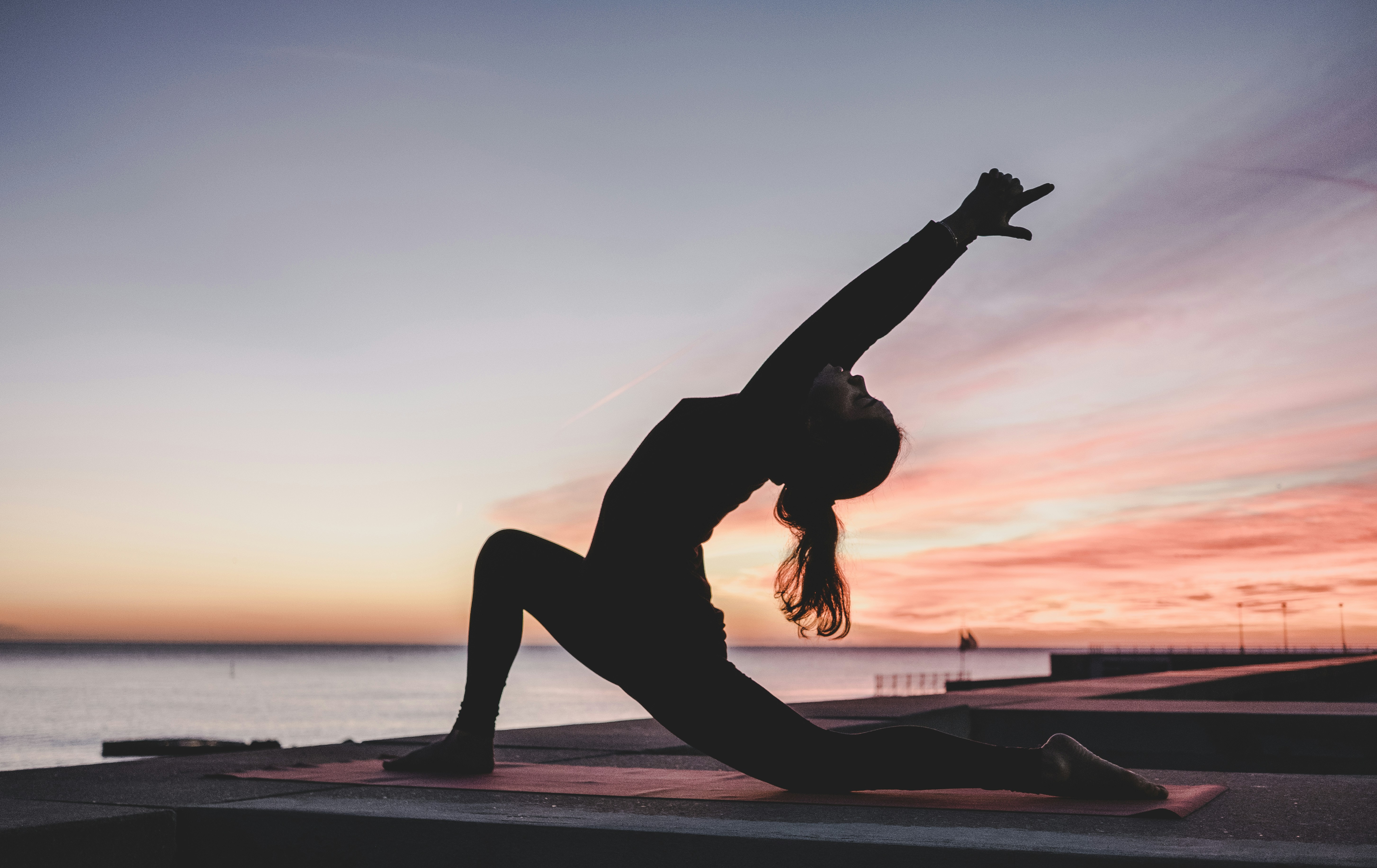
When dusk settles over the house, my affected leg always seems to remember every single ounce of energy spent throughout the day. In stroke recovery communities, we often spend endless hours discussing morning stiffness, range-of-motion drills, and occupational therapy appointments. Yet, we rarely have open, honest conversations about the unique and treacherous challenge of twilight fatigue. As night falls, environmental light dims, room contrast decreases, and our sensory inputs drop significantly. For a brain actively working to rebuild neuromuscular pathways, this combination can instantly turn simple, familiar living room movements into high-risk navigation zones.
During my early post-stroke recovery months at home, dinner time consistently marked a alarming shift in how my body responded to my conscious intentions. My weaker side, which usually functioned with reasonable stability during structured morning exercises, suddenly felt significantly heavier, slower to respond, and far more prone to catching its toe on rug edges or door thresholds. I came to realize that my brain was not simply physically tired; it was cognitively exhausted from processing millions of subtle balance and motor adjustments every second from sunrise to sunset. When neural bandwidth drops in the evening, automatic postural reactions suffer first.
Rather than attempting to force my way through the evening using sheer willpower—a dangerous habit that led to several terrifying near-misses against my bedroom nightstand—I recognized the urgent need for a structured, low-demand evening transition protocol. The fundamental objective of this routine is not to build muscle strength, push endurance limits, or accomplish aggressive physical therapy targets. Instead, the sole purpose of this evening sequence is to systematically calm the nervous system, realign baseline body awareness, and facilitate safe transfers from the sofa to the bed without risking a fall.
Understanding the Physiological Impact of Twilight Fatigue
Before diving into the mechanical steps, it is essential to understand why our balance degrades so noticeably as night approaches. Balance is not governed by muscles alone; it relies on a continuous feedback loop between three primary sensory systems: vision, proprioception (our body's internal spatial sense), and the vestibular system inside our inner ear. When you are living with a brain injury, your motor cortex has to work significantly harder to synthesize these three input streams.
As ambient evening light diminishes, your visual system provides fewer crisp environmental anchor points. Simultaneously, after hours of walking, standing, and sitting, the proprioceptive nerves in your feet and ankles become fatigued and less responsive. When two out of three sensory inputs drop in fidelity, your balance system is forced to operate in emergency mode. Recognizing this physiological reality allows us to stop blaming ourselves for evening clumsiness and start designing practical environmental and movement compensations.
Phase 1: Grounding and Weight-Shifting in the Seated Position
Before you even think about standing up from your comfortable evening armchair, you must adequately prepare your lower limbs and explicitly signal your motor cortex that an intentional movement sequence is about to begin. Attempting a rapid, unthinking stand when deeply fatigued almost always triggers sudden compensatory spasticity, ankle inversion, or knee hyperextension.
Step 1: The Foot-to-Floor Sensory Anchoring
Begin by gently sliding forward toward the front third of your chair. Ensure both bare feet (or feet wearing non-slip grip socks) rest completely flat against the floor. Take three slow, rhythmic breaths: inhale quietly through your nose for four seconds, hold briefly, and exhale through your mouth for six seconds. Place both hands lightly over your thighs. Spend thirty seconds focusing your entire conscious attention on the soles of your feet.
Press your heel, the outer edge of your foot, and each toe down into the flooring material with moderate pressure. Feel the texture and temperature of the ground underneath. This deliberate sensory grounding exercise acts as a quick nervous system calibration, re-establishing clear sensory mapping in your parietal lobe right before full weight-bearing demands are introduced.
Step 2: Gentle Seated Pelvic Tilts and Lateral Shifts
Maintain a tall, un-hunched upper body posture. Slowly and deliberately rock your body weight sideways from your unaffected hip over to your affected hip. You do not need to lift off the seat cushion at all; this is a precise micro-movement spanning only two or three inches. Pause on your affected side for two full seconds, explicitly recognizing that your affected hip and gluteal muscles can safely accept your torso's weight. Rock back gently to center. Repeat this lateral rocking motion six to eight times. This simple sequence activates deep spinal stabilizers and pre-activates the pelvic girdle for standing equilibrium.
Phase 2: The Controlled Sit-to-Stand Micro-Sequence
Rising to a standing position when completely exhausted requires maximizing mechanical leverage rather than relying on raw muscular strength. We want to conserve every drop of remaining energy while maintaining absolute base-of-support stability.
Nose Over Toes Alignment
Slide your ankles back slightly so your feet sit directly under or slightly behind your knee joints. Lean your upper torso forward from the hip joints, maintaining a long, straight spine rather than rounding your mid-back. Imagine bringing your nose forward until it aligns directly over your toes. This crucial mechanical adjustment shifts your body's center of mass forward over your base of support before your thigh muscles are even asked to contract. Place both palms firmly onto the chair's armrests or sturdy seat frame.
The Two-Stage Rise and Pause
Instead of popping straight up in one continuous motion, press down evenly through both heels while guiding your body upward with your arms. Rise into a half-standing intermediate position and pause there for one full second. During this micro-pause, rapidly check in with your affected knee: is it softly flexed and stable, or has it snapped backward into hyperextension? Once you verify that both feet are planted securely, extend your hips fully into a tall, balanced posture. Stand still and take one full breath before taking your very first step forward.
Looking for structured, gentle tools for your home practice?
Explore SpeakFlow AI and our full 21-app interactive suite designed to support speech, micro-movements, daily coordination, and routine building.
Phase 3: Navigating the Hallway to the Bedroom
The short journey from a well-lit living area down a dim hallway to the bedroom represents the highest statistical window for domestic falls during recovery. Creating a safe physical corridor is half the solution; adjusting your evening gait pattern is the other.
Environmental Preparation and Light Pathways
Ensure high-contrast, automated motion-sensor nightlights are installed along your baseboards between your living room and bathroom. Before sitting down for your evening relaxation, conduct a quick sweep to eliminate throw rugs, loose trailing cables, or misplaced shoes. When fatigue sets in, foot elevation drops by tiny fractions of an inch; what felt like a flat surface during the afternoon can easily catch a dragging toe in the evening.
The Gliding Heel-Touch Step
When walking under fatigue, strictly resist the urge to take long, reaching strides to get to bed quickly. Focus instead on shorter, deliberate steps where your affected heel reliably makes contact with the floor first, followed by a smooth roll onto the midfoot. Keep your arms relaxed but hovering near steady hallway walls or solid furniture pieces along your route. Treat these surfaces as light tactile guideposts for balance recalibration rather than heavy balance crutches to lean upon heavily.
Phase 4: In-Bed Wind-Down for Muscular Release
Once you reach the edge of your bed, turn slowly using small incremental steps rather than twisting your spine or pivot-plant on your affected foot. Sit down using the same controlled, two-stage lowering motion. Getting safely into bed marks the final transition of your day, and taking two short minutes for targeted muscular release will help prevent painful overnight muscle spasms.
Leg Elevation and Ankle Micro-Pumps
Swing your legs into bed, using a leg-lifter strap or placing your non-affected foot beneath your affected ankle to assist if needed. Lie flat on your back with a firm pillow placed underneath your knees to take tension off your lower back. Slowly point your foot downward and flex it upward ten times. This gentle pumping action encourages fluid circulation, reduces lower-leg swelling accumulated during the day, and signals the calf muscles to release hypertonicity.
Reflecting on Consistency and Independence
Long-term stroke recovery is not measured exclusively by how far or fast you can walk inside a brightly lit therapy clinic under peak physical conditions. True, sustainable independence is built in how thoughtfully, safely, and calmly you handle the unglamorous, everyday home transitions when your energy stores are depleted. By replacing frustration with this structured micro-routine, you actively protect your safety, rebuild subconscious neural trust in your affected side, and allow your brain the peaceful rest it needs to rebuild overnight.
Take Your Daily Recovery Further
Access non-clinical, browser-based recovery tools created specifically to bring clarity, consistency, and structure to your home practice.
⚠️ Safety & Personal Experience Disclaimer
This article reflects personal stroke recovery experiences, gentle routine observations, and community-shared ideas. It is non-clinical and for informational purposes only. It should not replace professional medical advice, diagnosis, or personalized physical therapy programs. Always consult your doctor, neurologist, or physical therapist before attempting new routines or movement practices at home.